
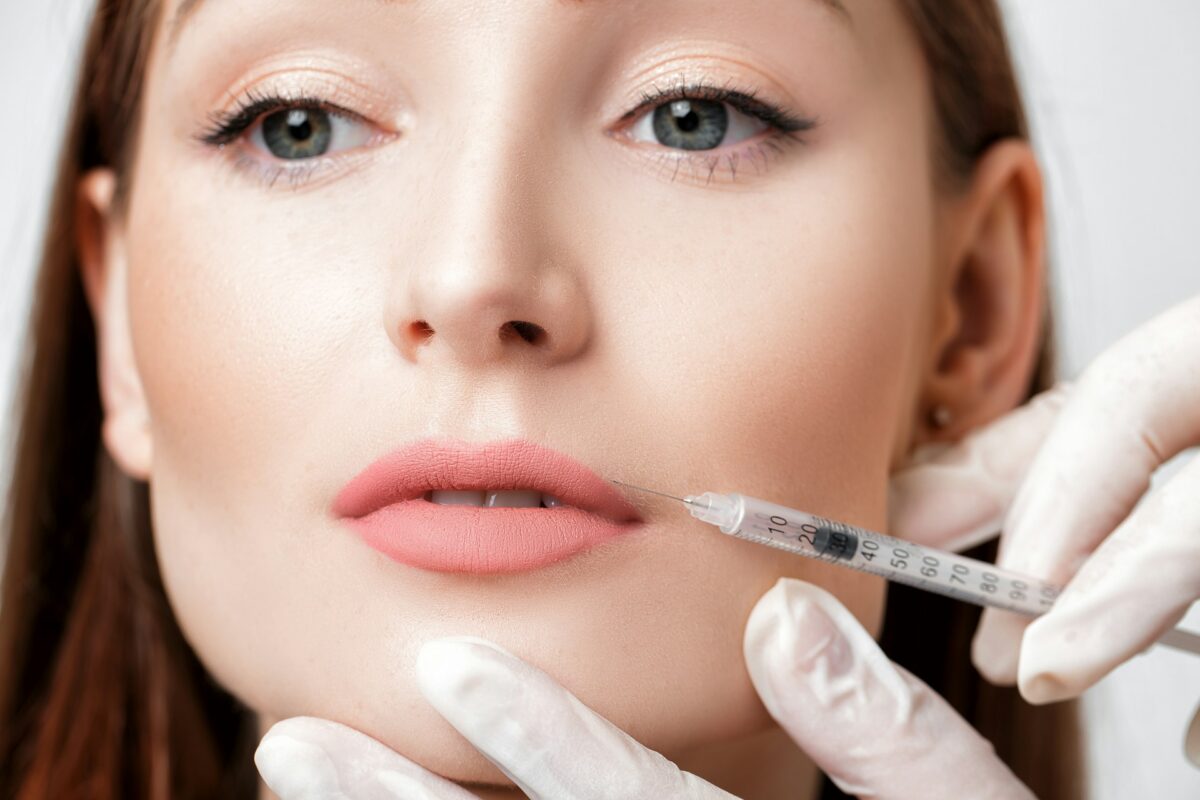
As temperatures drop and we start layering extra clothing, many people take this time of year to think about subtle ways to refresh how they look and feel. The cooler months tend to be a good season for small treatments that don’t need a long recovery. For some, it’s not about changing a feature—it’s about restoring something that’s faded with time. Volumizer filler is one option that gets people thinking about smoother cheeks, fuller under eyes, or a more rested overall look.
How these fillers feel once they settle matters just as much as how they look. When they blend in well, it helps keep expressions soft, features balanced, and confidence intact. But achieving that natural finish isn’t just luck. There are real differences in the tools, techniques, and timing that go into a result that feels right—without looking like anything was “done.”
Is It Texture, Placement, or Formula? What Impacts How Fillers Look and Feel
The word “filler” might make people imagine something stiff or bulky, but today’s products are made with different ingredients and textures based on where they’ll be used. Thicker formulas are often used in deeper areas like the cheeks, helping them hold shape over time. Softer ones work better under the eyes or around the mouth, since they move more easily with natural expression.
Placement is just as important. When product sits too high or spreads where it shouldn’t, puffiness or lumps can show. A gentle, steady approach with fine-point tools helps guide the filler in smoother layers. That support lets it blend better with nearby tissue, giving it a softer finish.
How a formula interacts with the skin is another part of the story. Some fillers are made to draw water into the area slowly, which can help create a smooth, hydrated effect that mimics natural fullness. Others are more structured and stay in place without changing much for a long while. Choosing one depends on the area, the person’s starting shape, and their goals.
At Cosmetic Surgical Arts and Rejuvenation of Oklahoma, a range of volumizer filler options are provided, tailored in texture and thickness to match the needs of different facial zones for softer, more balanced enhancement.
Where Volume Loss Happens and Why That Shapes Results
Everyone’s face changes in its own way. Some people notice their cheeks flatten, others start to see hollows under the eyes or slight drooping along their jaw. These shifts are normal and come from how the body changes with age, gravity, and daily movement. Filling those areas too much or in the wrong spot can throw off balance, making the face look unnatural instead of refreshed.
That’s why knowing where volume has been lost is important. Cheeks, under-eyes, temples, jawline—these are common spots where filler can give back some of the shape that’s faded. But how much and where to place it makes all the difference. When filler follows the natural curves of a face instead of trying to force new lines, the results blend in better.
Soft balance is often more believable than dramatic change. Some people think more product will give better results, but subtle enhancement tends to feel the most comfortable. The goal isn’t to create something new—it’s to bring back a version of you that feels familiar in the mirror.
At Cosmetic Surgical Arts and Rejuvenation of Oklahoma, face mapping and a careful assessment of volume loss help match the right filler and placement to your individual contours.
How Movement Matters: Facial Expressions and Filler Outcomes
A big part of what makes filler feel natural has nothing to do with standing still. It comes to life when you smile, speak, or frown. Your face is always in motion, so any change has to work quietly with how that motion happens. If there’s too much filler in the wrong place, it can limit how easily the skin stretches or pulls. That’s when people start feeling like their expressions don’t match how they actually feel.
During placement, movement is something we keep in mind. A spot that seems flat when resting might not need as much support once you talk or smile. A subtle shift here or there can help soften shadows without freezing muscles or blocking movement.
Late fall is a smart time to plan treatments that need a few weeks to settle. There’s less sun, and colder weather gives you an excuse to stay home more. Taking a quiet window to adjust to your refreshed look helps things feel more gradual. That way, when holiday gatherings or photos happen, you’re just showing your natural expressions with a touch more softness around the edges.
Healing and Integration: What to Expect in the First Few Weeks
Right after a volumizer filler treatment, the skin may feel tender or full in ways that are new. That’s normal. The surface may look a little swollen at first, especially around the eyes or near the mouth. That swelling usually fades in the first few days.
What happens next is all about integration. Your body starts to accept the filler material. It draws moisture to the area, lets the filler rest into place, and begins softening its edges with time. This isn’t something you feel, but you might notice the area looking better with each passing week.
Cool air in November can be a relief during this process. It’s easier to feel comfortable with slight swelling when you’re not dealing with heat or sun exposure. Hats, scarves, or staying indoors more often also give your skin time to heal without drawing attention to temporary changes.
During this window, less is more. It can be tempting to want instant full results, but soft changes develop gradually as the product settles in with your skin’s layers.
At Cosmetic Surgical Arts and Rejuvenation of Oklahoma, gentle aftercare and support are given to help ease swelling and ensure the smoothest integration of new volume as seasonal conditions shift.
Natural Results, Steady Approach
The results that feel the most natural don’t shout. They support what’s already there. A gentle lift in the cheeks, a smooth transition under the eyes, or a slight softening near the jaw can all work together when handled with balance and care.
That’s why the right combination of filler type, amount, and area makes all the difference. When everything works with your structure instead of against it, you don’t just see the change—you feel at ease with it too. There’s no sharp shift, no frozen smile, just a face that still feels like yours.
Taking the time to understand how filler behaves in your skin, what kinds of changes feel most comfortable, and how movement plays into final results can help keep everything aligned with your expectations. Seasonal timing helps too. A quieter season is a good time to ease into new things. When your face reflects what you feel inside—rested, steady, at ease—that’s when treatment starts to feel like it fits.
If you’re thinking about soft, natural-looking changes for your face this season, we offer several options that focus on gradual, balanced enhancement. At Cosmetic Surgical Arts and Rejuvenation of Oklahoma, our goal is to help you feel more at home in your skin without overdoing it. A treatment using a volumizer filler can support the areas where fullness has faded, giving you a refreshed but familiar look. We’re here to talk through what feels right and guide each step with care.