
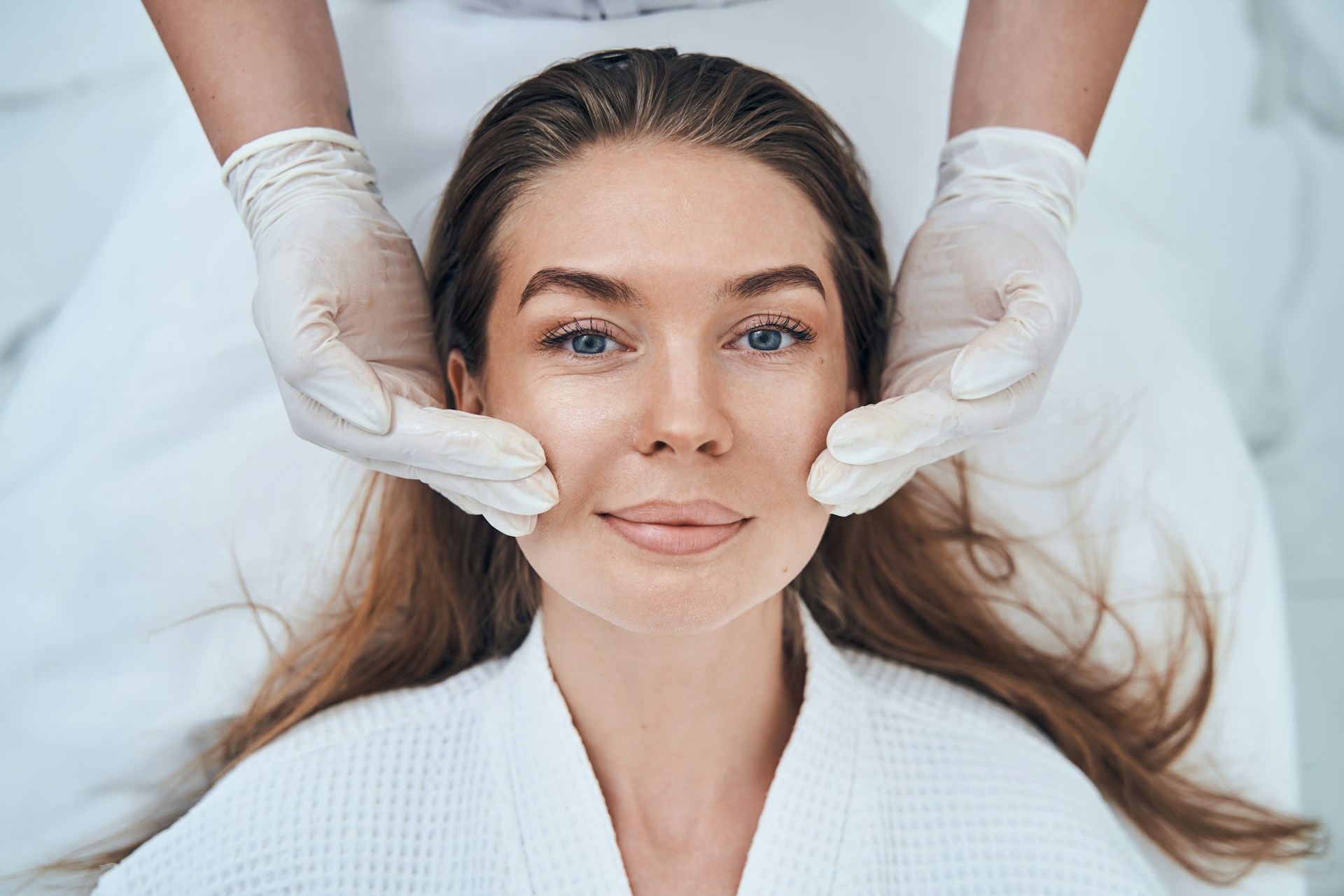
After a facial rejuvenation treatment, what you do at home plays a big part in how your skin settles and feels in the days that follow. While it’s natural to focus on products and routines, breathability is something many people overlook during recovery. Light, clean airflow around your skin can go a long way. As spring brings warmer days, this becomes even more helpful. Heavy clothes, trapped heat, or layered products can all make sensitive skin feel worse. That’s why giving your face a little room to breathe can actually support a smoother healing experience.
It’s important to recognize that your skin can be more sensitive after a professional treatment, so everything you do in your daily routine matters a little more. Even the smallest details, like the temperature of the air in your home or the kind of laundry soap you use on pillowcases, can be important. Focusing on breathability not only means choosing the right clothes but also creating an environment where your face feels protected and comfortable. Giving yourself time to rest lets your skin follow its own natural pace, allowing refreshed results to become more apparent with each day.
Why Your Skin Needs to Breathe After a Treatment
It’s common for skin to feel a little warm, tight, or sensitive after a facial rejuvenation treatment. This is part of the way your skin reacts to change and begins to restore itself. During this time, gentle airflow and light fabrics can help minimize discomfort.
When heat or moisture gets trapped near the skin, it may slow down that natural calming process. Giving your skin some breathing space helps with things like:
- Avoiding extra redness that can come from overheating
- Preventing flare-ups caused by tight layers or sweaty fabrics
- Helping your skin stay cool and calm when it’s already a bit reactive
Not only that, but keeping cool airflow on your skin can work as a natural reset. Your face is one of the first places you notice temperature shifts, dryness, or irritation, so adding awareness to how environmental factors affect you is important. Tuning into what your skin is telling you in those first few days can make a real difference. So instead of bundling up to protect sensitive areas, try backing off the layers and letting the air help do some of the work.
Adjusting your habits after treatment doesn’t have to mean a complete overhaul. Simply opening a window for a few minutes in the morning or wearing softer collars as you move through the day gives your face a chance to rest. This can improve your comfort, making it easier to stick to the suggested aftercare routines from your skincare provider.
Choosing the Right Clothing and Bed Materials
What you wear and where you rest have more to do with skin comfort than many of us expect. After a treatment, fabrics that once felt fine might now seem scratchy, tight, or warm on your face.
To keep things as comfortable as possible, try a few small changes:
- Skip scarves, thick collars, or coats that touch your jawline
- Choose open necklines or loose-fitting shirts that rest gently
- Look for soft pillowcases made of cotton or bamboo, not synthetic blends
- Keep your face off rough blankets or materials that make you feel hot
Natural fabrics help reduce sweating and don’t rub like heavier materials often do. They allow air to move more freely, lifting some of that unwelcome heat while you go about your day or get ready for bed.
Sometimes it helps to plan your rest space in advance, such as switching to fresh sheets on the day of your facial, or putting an extra pillowcase on hand for quick changes. Clean bedding reduces the risk of irritation or breakouts. The investment in gentle fabrics and laundering practices isn’t just about comfort, it helps reduce friction and keeps sensitive skin from being aggravated while you sleep. Don’t forget to keep towels and hairbands soft and clean too, especially if you use them daily.
Letting Skin Recovery Happen Without Overdoing It
After a treatment, it’s easy to want to pull your skin back together quickly, whether that means makeup, thick creams, or covering up. But a lighter hand can actually be more helpful than layering on too much.
Being gentle gives your skin a chance to do what it needs to do without extra interference. This means:
- Holding off on rich creams right away unless specifically advised
- Skipping makeup for at least the first day or two if you can
- Avoiding wraps, masks, or any facial pressure that presses onto fresh areas
We’re not trying to leave skin with nothing, just not smother it. The goal is to give your face a calm, easy atmosphere so it can go back to its balance without being pushed too hard before it’s ready.
This is a time when even little changes make a difference. Approaching your aftercare with patience and a gentle touch means you’re helping your skin do its job. Notice how your face feels as you go about your routine, and let that be your guide. Often, less is more in the first stage of healing, and slowly bringing back favorite creams or cosmetics can be more satisfying, both for comfort and for results.
Springtime Tips for Staying Fresh Without Stress
Spring brings sunshine and breezy days, but it also means adjusting our routines. After a facial, this shift can work in your favor if you know how to use it well. The right textures and tools can keep skin fresh without adding stress.
Some gentle swaps and seasonal tips include:
- Wearing a wide-brimmed hat instead of wrapping with scarves
- Using sunglasses to reduce squinting or sensitivity to light
- Keeping your home airy with windows slightly open or fans set low
- Leaving room in your schedule for short breaks indoors, especially on warm days
Ventilating your space gently rather than blasting cold air creates a comfortable environment that helps your skin recover. In the spring, allergens like pollen can also irritate fresh skin, so keeping windows open at the right times of day (such as when pollen counts are lower) can be better for recovery. If you usually wear sunblock, opt for lightweight, fragrance-free formulas designed for sensitive skin.
It’s not about avoiding the weather entirely, just knowing when to stay in the shade or cut your walk a little short. That extra care lets you enjoy spring without adding discomfort during recovery.
Planning your outdoor activities for times when the sun isn’t as strong, such as early morning or late afternoon, can minimize stress while still letting you enjoy being outside. This balance is especially important if your skin is especially light-sensitive after a treatment.
The Comfort Benefit You Might Not Have Considered
The way your skin feels affects your mood far more than we usually admit. Breathable choices make for a calmer face, and that calm spills into your day. Less irritation means you’re not thinking about every tiny sensation. You’re just moving through your routine, feeling like yourself.
Keeping your face cool and free from pressure helps you stay active, even when your skin needs rest. It doesn’t have to be complicated. A soft neckline, fresh air by a nearby window, and skipping heavy products are small shifts that support healing and comfort at the same time.
This time of year, with warm afternoons and cool mornings, offers a chance to reset. If you’re easing into recovery, a few thoughtful choices can help your skin feel good while spring unfolds around you. Moments of comfort add up, and those gentle adjustments are often what make all the difference.
Noticing how a single afternoon spent in a cool room or the feeling of clean, natural fabric can bring relaxation encourages you to continue caring for your skin gently. Taking time for yourself after a facial is more than just aftercare, it’s about letting your body and mind enjoy a little peace as you transition back to routine. These tiny acts of self-care are proof that comfort and healing are closely connected and, when recognized, can deliver results that go beyond what’s seen in the mirror.
Refresh your skin this season with thoughtful aftercare. Giving your skin time and space to recover after a treatment can truly make a difference. Whether it’s choosing soft fabrics or making lighter routine swaps, these simple steps go a long way. We are here to guide you through what to expect when you experience a facial rejuvenation treatment. Reach out to Cosmetic Surgical Arts and Rejuvenation of Oklahoma to start a conversation.